
Managing workplace anxiety: How to help an employee with anxiety
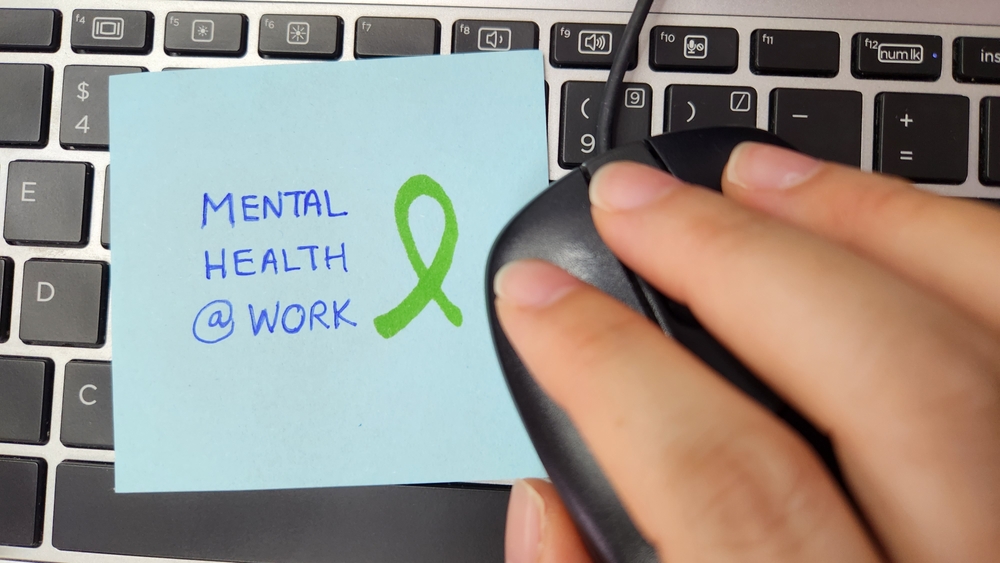
Anxiety can have a detrimental effect on your team members. Not only can it cause a range of physical and emotional symptoms, but anxiety can also negatively impact an individual’s motivation, productivity, and quality of work. Unfortunately, if some team members are experiencing anxiety and this is not managed in a helpful way from managers, it can impact the strain on other employees.
Whether it stems from personal issues or work stresses, knowing how to effectively support and manage employees with anxiety is important in creating a positive work environment where staff feel able to fulfil their responsibilities to the best of their ability.
In this blog, we discuss what the common symptoms of anxiety are, common causes of anxiety at work, the impact anxiety can have on your staff and offer top tips on fostering a supportive environment.
What is anxiety?
Anxiety is a normal, human feeling that everyone will experience from time to time. It is the feeling of worry or uneasiness that is a natural response to stress or perceived danger. Some people will only experience mild feelings of anxiety, whereas other people will experience it more severely.
While anxiety is common, anxiety disorders can develop when these feelings are sustained for long periods of time and do not go away. Anxiety disorders can affect all aspects of a person’s life, including their work life.
What are the symptoms of anxiety?
Anxiety manifests differently for different people, but some common symptoms of anxiety include:
- Nausea
- Shaking
- Increased heart rate
- Shortness of breath
- Dizziness
- Heart palpitations
- Difficulty concentrating
- Trouble sleeping
- Tension
- Irritability / increased agitation
What causes anxiety at work?
People can experience anxiety at work for a number of reasons. Causes of anxiety in someone’s personal life can impact their performance at work, as well as work-related causes.
Personal causes
Personal sources of anxiety don’t get left at the office door – these can extend beyond your staff members’ personal lives and affect them at work, too. Here are some common examples of personal causes of anxiety:
- Money-related problems, such as debts and high costs of living
- Conflicts in personal relationships, such as with friends, spouses, and other family members
- Having ongoing health issues
- Experiencing traumatic life events
- Feeling isolated or alone, with a lack of community
- Substance abuse, such as alcohol and recreational drugs
Work-related causes
Work itself can be a cause of anxiety for a lot of people. Some common work-related causes of anxiety are:
- High workloads with tight deadlines
- Unclear responsibilities
- A Poor work-life balance
- A challenging working environment or culture
- Insufficient support from their employer
- Worries about performance or receiving negative feedback
- Conflict with colleagues
- Attending work when unwell (presenteeism)
- Conflict with peers or managers in the workplace
- Lack of praise or career progression
How can anxiety affect your staff?
As well as cause physical symptoms, anxiety can affect your staff in other ways. It can harm their social life, work life, and relationships with friends, family, and colleagues:
- Anxiety can cause health issues and concerns, such as high blood pressure, headaches, bodily tension and digestive problems.
- Anxiety can impact an individual’s sleep schedule by making it more difficult to fall asleep at night. Alternatively, it can cause disrupted sleep where it is difficult to stay asleep or waking early.
- Anxiety can cause psychological effects, such as difficulties concentrating or making decisions and feelings of irritability and detachment.
- Anxiety can also present itself along with other mental health issues, such as depression.
- Individuals may find it difficult to organise their time well, focus on or prioritise tasks or make decisions which may impact on their ability to complete work responsibilities.
- Anxiety can also impact an individual’s relationships as it can make them become more dependant (seek more reassurance) or avoidant. This can often cause more anxiety.
- Anxiety can often lead to employers struggling to attend meetings and may begin to reduce face to face contact or avoid putting camera’s on or attending meetings in remote settings.
Top tips for managing staff with anxiety
It is important to know how to best support staff members experiencing anxiety. Not only is it important to help on a human level, but it can also help improve their performance, productivity, happiness, relationships with colleagues, and quality of output.
Here are some top tips to help you effectively manage staff who are experiencing anxiety at work:
Be aware of the signs
Knowing the signs of anxiety to look out for can help you identify employees who might be suffering from anxiety early, before it becomes a bigger problem. Early intervention is key to implementing effective measures that will help reduce your staff’s anxiety and improve their mental health, wellbeing, and work performance.
Key signs to look out for include:
- Taking more time off work sick
- Work output is of a lower quality than normal
- Struggling to meet deadlines they usually would
- Finding it difficult to make decisions
- Lacking confidence in their own work and ability
- Changes to their eating habits
- Changes to the tone of their emails or how they communicate in meetings
- Difficulty reflecting on things which could be done better or accepting feedback
- Avoiding work meetings or requesting to work from home more often
Have an open-door policy
Establishing an open-door policy in your workplace can help create a supportive workplace culture where employees feel safe and comfortable speaking up about the anxiety they are dealing with and seeking help.
An open-door policy lets your employees know that managers are approachable and available to talk about anything, at any time they need. Having this level of openness can help individuals already struggling with anxiety feel supported and listened to, whilst also preventing early warning signs from progressing further, as concerns can be raised before they become a bigger issue.
If you suspect someone you work with is suffering with stress or anxiety, it can be helpful to ask them how they are feeling if you are in a meeting and offer to talk in a less formal setting if this would be more helpful for them.
Encourage conversations
Talking openly about mental health and anxiety at work is important as it shows your employees that you take their mental health and wellbeing seriously. Encouraging conversations can help reduce stigma surrounding mental health and make individuals feel more comfortable opening up about their struggles and how they need further support.
There are many ways managers can do this, including frequently checking in with their team members through regular one-to-one meetings, approaching difficult conversations in a non-judgemental and empathetic way, asking open-ended questions, and actively listening to any concerns raised by team members.
Learn more about how to reduce mental health stigma at work and the importance of talking openly about mental health in the workplace.
Implement flexible working options
Offering flexibility can help manage anxiety in the workplace, as it allows employees to adjust their working patterns to best suit their needs. Flexible start and finish times, remote and hybrid working options, and being open to schedule changes can all reduce external pressures for your staff that might be at the root of their anxiety.
For example, employees who need to pick their children up from school might prefer to start work earlier and finish earlier, so they can get their job done and still be there for their family. On days when anxiety is high, some employees might also prefer to work from home instead of coming into the office. I would be mindful not to let this spiral into avoidance where it then becomes difficult to go into the office and home is the ‘safe space’. Creating a safe and comfortable environment with regular check in’s whilst in the office would be helpful.
Having high levels of flexibility can build trust with your employees, improve company culture, and encourage individuals to establish a healthy work-life balance.
Train up your management team
Providing your management team with mental health training will help them feel better-equipped for having difficult conversations with staff about their mental health and anxiety. This can also help them better understand the signs of anxiety to look out for in their team, and how anxiety might impact team members.
Set reasonable expectations
Unrealistic workloads, unclear job roles or responsibilities, and conflicting priorities can all cause anxiety for your employees. Setting reasonable expectations for your staff and making sure they are aware of what they are responsible for is a practical way of reducing stress and anxiety.
There are many ways this can be done, including making sure job descriptions are well-defined, deadlines are manageable, and goals are clear and mutually agreed upon. Having regular performance roles, rewarding positive progress, and giving constructive, detailed feedback can also help.
Something we recently found when reviewing work related stressors was the lack of praise or support with career progression caused anxiety and low mood. So, the above would be helpful.
Signpost available support
Even with an open workplace culture where mental health and wellbeing is actively supported by managers, some individuals might require (or prefer) further professional help. It is important that your managers are aware of the mental health provisions that are available to employees, so they effectively signpost them to team members who want or need to access them.
They should be able to inform staff about how to access Employee Assistance Programmes (EAPs), therapy and counselling services, mental health charities, or internal mental health resources.
Regularly reminding staff about all the resources available to them can make team members feel more confident in seeking out the type of support that works best for them, and highlights that you prioritise mental health and wellbeing as an employer.
Get mental health support for your staff with Onebright
At Onebright, we offer a range of services for employers to help you invest in your team’s mental health.
From therapies and counselling, and neurodevelopment assessments and support, to mental health training for managers and wellbeing audits and consultancy, we can help you build a culture where the mental health and wellbeing of your team is a priority.
With over 200 UK businesses as clients, we are dedicated to supporting your employees and making sure they are in the best position to reach their full potential at work.